What is agentic HCM? How AI can work across your workforce
AI can’t support workforce decisions responsibly without the context, controls, and HCM foundation behind them. See how Dayforce is bringing agentic HCM to life at Dayforce Discover 2026.

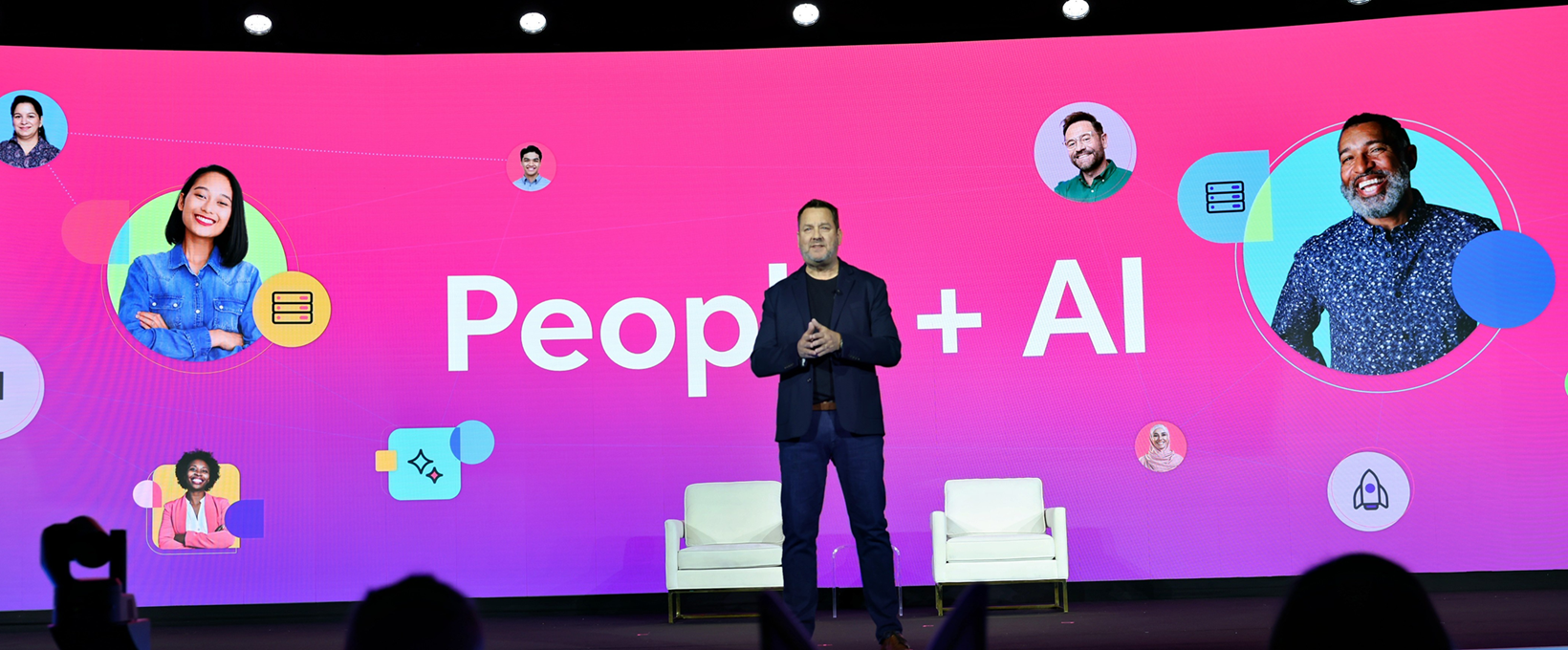
Table of Contents
Table of Contents
AI can look impressive in a demo. The real test is whether it can help with pay, schedules, and people decisions responsibly.
That takes more than intelligence. It takes workforce context, business rules, permissions, approvals, and controls. Agentic HCM brings those elements together so AI can help people understand work, move it forward, and act within the same foundation that guides workforce operations.
At Dayforce Discover 2026, we’re showing what that looks like: an agentic HCM platform designed to help AI work with the context, controls, and governance real workforce decisions require.¹
Key takeaways
-
Agentic HCM gives AI the workforce context, controls, and HCM foundation it needs to support trusted action.
-
Ask Dayforce helps people get conversational answers and take action in plain language.
-
Dayforce AI Agents and Dayforce Bots can help people reason, act, and automate work within the right permissions, rules, approvals, and controls.
-
Dayforce Build and Dayforce Marketplace help organizations create, discover, install, and manage reusable apps, bots, and documents.
-
AI interoperability can help Dayforce connect to a broader AI ecosystem through governed access to workforce data and processes.
What is agentic HCM?
Agentic HCM puts AI to work across the workforce, bringing together AI experiences, agents, platform extensibility, and AI interoperability on a single HCM foundation.
That foundation gives AI the context it needs to create real value. People can ask questions in plain language, AI can surface relevant answers and insights, and where permitted, it can also help start, guide, or complete work through the same rules, workflows, approvals, and controls your teams already use.
At Dayforce, we think about agentic HCM in four connected ways: helping people understand work, perform it, extend the platform, and connect AI across their ecosystem.
Understand with Ask Dayforce
Ask Dayforce gives people conversational answers and actions in plain language.

A manager can explore rising overtime. An employee can understand a pay change. The experience draws on the workforce context behind the question, helping people move from uncertainty to the next appropriate step.
Perform with Dayforce AI Agents and Dayforce Bots
Dayforce AI Agents apply specialized HCM intelligence to help people understand context, work through multi-step tasks, surface what needs attention, and take appropriate action across Dayforce.

Dayforce Bots are personalized AI teammates that customers can create in Dayforce Build. They can help monitor ongoing work and automate recurring or event-driven tasks across Dayforce and connected systems.

Both are designed to work within the permissions, business rules, approvals, and controls that apply to the work.
Extend with Dayforce Build
Workforce needs change. Dayforce Build helps authorized customers and partners create, refine, test, and publish Dayforce-native apps, bots, and documents in plain language.

Dayforce Marketplace helps organizations discover, install, and manage reusable solutions. Together, they help organizations adapt to their needs without creating unmanaged workarounds around their HCM foundation.
Connect with AI interoperability
Most organizations will use AI beyond a single platform; the question is how to connect AI without losing the controls that protect workforce data and processes.
Dayforce supports governed connections with approved external AI assistants and business systems through plugins, connectors, MCP, APIs, and events. These connections help organizations apply the identity, permissions, approvals, and controls that govern workforce data and processes to each interaction.
This includes new and expanded connections with Microsoft and Anthropic’s Claude.²
For frontline managers, this platform approach takes shape in Dayforce Command Center for Frontline Operations. It gives managers one place to see and address work across recruiting, onboarding, scheduling, and time, helping them prioritize, understand what matters, and act across their people and operations.

How is agentic AI different from traditional HR automation?
Traditional HR automation follows predefined rules and workflows. Agentic AI can go further by using context to help determine what needs to happen next and, where permitted, help move the work forward.
That makes the HCM foundation even more important. AI needs access to the data, permissions, rules, approvals, and controls that apply to the work. Without that foundation, it can’t reliably help people take the next step.
Why do AI agents need a single HCM foundation?
Consider a simple employee question: “Why is my paycheck lower this week?”
A useful answer may depend on time worked, pay rules, deductions, the employee record, and a recent schedule or employment-status change. When that information sits across separate systems, AI has to work across different data, rule sets, permissions, and workflows. It may not have the full context to give a reliable answer or help with the next step.
The stakes rise when AI helps with workforce tasks. A time-off request may require entitlement balances, leave policies, the right workflow, and an approver. Filling an open shift may require skills, availability, scheduling rules, and compliance considerations.
Dayforce brings HR, payroll, workforce management, talent, benefits, planning, and analytics together on a single data model. That lets AI work within the same workforce context, policies, permissions, approvals, and audit trail that guide the work itself.
How does AI governance in HR keep people in control?
Effective AI governance in HR starts with identity and permissions, privacy and security, policies and approvals, and auditability and observability. Organizations need to know what an agent can access, what it can do, and where human review or approval is required.
For example, an employee could describe a time-off request in plain language. Dayforce can help check relevant details, guide the employee through the right process, and route the request for approval based on the workflows and access already in place. The employee doesn’t need to know which screen to open. The manager remains responsible for the decision. The same principle applies to payroll, scheduling, and workforce planning. AI can reduce administrative work while people retain accountability, as administrators need visibility into the data, policies, permissions, and actions involved.
Before adopting AI agents, ask:
- What information does the AI check before it acts?
- Which policies and business rules apply?
- Does it respect each user’s permissions?
- When does a person review or approve the work?
- Can administrators see what happened?
Those questions matter because a mistake in workforce operations affects a real person’s pay, schedule, record, or experience.
How does agentic HCM fit into a broader AI strategy?
Organizations can connect AI across the systems they use without bypassing the workforce context and governance that should guide each interaction.
One example is Dayforce in Claude, a connector built on MCP. It will enable joint customers to ask questions and take supported actions on their HR, time, pay, talent, and planning data from within Claude, using the permissions, access controls, and approval processes already defined in Dayforce.
Dayforce in Claude is currently in beta, with general availability planned for 2027.²
What does agentic HCM require?
As AI agents take on a larger role in HCM, buyers should examine the foundation behind them: the data, rules, permissions, controls, and auditability that let AI work responsibly.
Champneys’ workforce management results
Champneys runs luxury spas and resorts across the UK, with more than 1,100 employees. About 70% of its workforce is hourly.

Champneys runs luxury spas and resorts across the UK, with more than 1,100 employees. About 70% of its workforce is hourly.
Using AI-assisted scheduling in Dayforce, the team reports it can build a schedule for 150 people in three minutes, compared with two hours previously for a single department.³
Champneys also built compliance rules into the system so they can’t be bypassed. The company reports it has cut pay queries by 80%.³
“Dayforce has helped us be more compliant because we can build rules into the system so that there’s no way to override or bypass that piece of compliance,” says Jamie Flarry, Group Employee Accounting Manager at Champneys.
Read Champneys’ workforce management results
Orica’s global payroll transformation
Orica pays more than 14,000 people in 48 countries. The global mining and infrastructure company is consolidating 34 payroll systems onto Dayforce in phases.

“Having one system for payroll is enabling us to shift our team’s attention from the historical, traditional payroll administration to compliance and governance,” says Stacey Brewer, VP of HR Operations at Orica.3
Read Orica’s global payroll transformation
Together, these stories show the conditions agentic HCM requires: a single data model, consistent rules, clear controls, and an audit trail people can trust.
7 questions to ask before adopting AI agents in HR
AI agents create the most value when you can see what they access, what they can do, and where human review or approval remains. A polished AI demo can’t answer those questions for you.
Ask:
- Do HR, pay, time, talent, and planning work from a single data model, or does the AI pull from separate systems?
- What workforce data, business rules, and policies does the AI check before it helps with a task?
- Does it respect each user’s permissions?
- Do approval workflows and compliance rules apply when AI helps with work?
- Can administrators see what the AI read, changed, started, or handed off?
- Can you adapt the platform to your needs without adding another point solution?
- Can the platform connect to your broader AI ecosystem without bypassing approved access and controls?
Ask for a live demonstration using a real scenario from your business. For example, try a mid-period pay change for an hourly union employee who worked overtime at two locations. Watch what the system checks before it guides the work.
These are AI questions, but they are also HCM architecture questions.
FAQ: Agentic HCM
What is agentic HCM?
Agentic HCM gives AI the workforce context, controls, and HCM foundation it needs to help people understand work, perform it, extend the platform, and connect AI across their ecosystem.
What’s the difference between an AI assistant, an AI agent, and a bot in HCM?
An AI assistant helps people find answers and take action through conversation.
Dayforce AI Agents apply specialized HCM intelligence to understand context, work through multi-step tasks, surface what needs attention, and take appropriate action.
Dayforce Bots are personalized AI teammates customers can create in Dayforce Build to help monitor ongoing work and automate recurring or event-driven work across Dayforce and connected systems.
Each capability needs the right workforce context, permissions, business rules, approvals, and audit trail. People remain accountable for decisions that require their review.
What should organizations consider before using AI agents for payroll and workforce management?
Look at whether AI works within the workforce data, rules, permissions, controls, and audit trail that apply to the task. You should also understand what the AI checks before it helps with work and where people review or approve it.
What is Dayforce Build?
Dayforce Build is a conversational, AI-powered development experience that helps authorized customers and partners create, refine, test, and publish Dayforce-native apps, bots, and documents.
Solutions are governed by Dayforce permissions, access controls, audit trails, and approval workflows, so organizations can adapt the platform to their needs.
How can agentic HCM support an enterprise AI strategy?
An agentic HCM platform can provide governed ways for approved AI tools and agents to interact with workforce data and processes. Dayforce supports connections through plugins, connectors, MCP, APIs, and events, helping organizations connect AI across their ecosystem while maintaining identity, permissions, policies, and controls.
Can Dayforce connect to Claude?
Dayforce in Claude enables joint customers to ask questions and take supported actions on Dayforce data from within Claude, using the permissions and controls already defined in Dayforce. It is currently in beta, with general availability planned for 2027.
What comes next for HCM?
The next chapter of HCM will be defined by whether AI can create value without weakening the data, controls, and trust workforce operations require.
Dayforce is evolving as an agentic HCM platform that brings AI experiences, AI Agents, platform extensibility, and AI interoperability together on a single HCM foundation.
At Dayforce Discover 2026, we’re showing what that looks like in practice.
Check out the biggest reveals from our 2026 Innovation Keynote
References
1. Select Dayforce AI Agent capabilities are available now. Other agentic capabilities and experiences described in this article are expected to become available at different times through 2027. Availability and timing vary by capability and are subject to change.2. Dayforce in Claude is currently in beta, with general availability planned for 2027.
3. Dayforce, “Champneys brings wellness to both employees and the bottom line,” Dayforce Customer Story.
4. Dayforce, “Orica sets off global payroll transformation,” Dayforce Customer Story.
You may also like:
Ready to get started?